


What makes Kombucha special as a fermented tea drink?
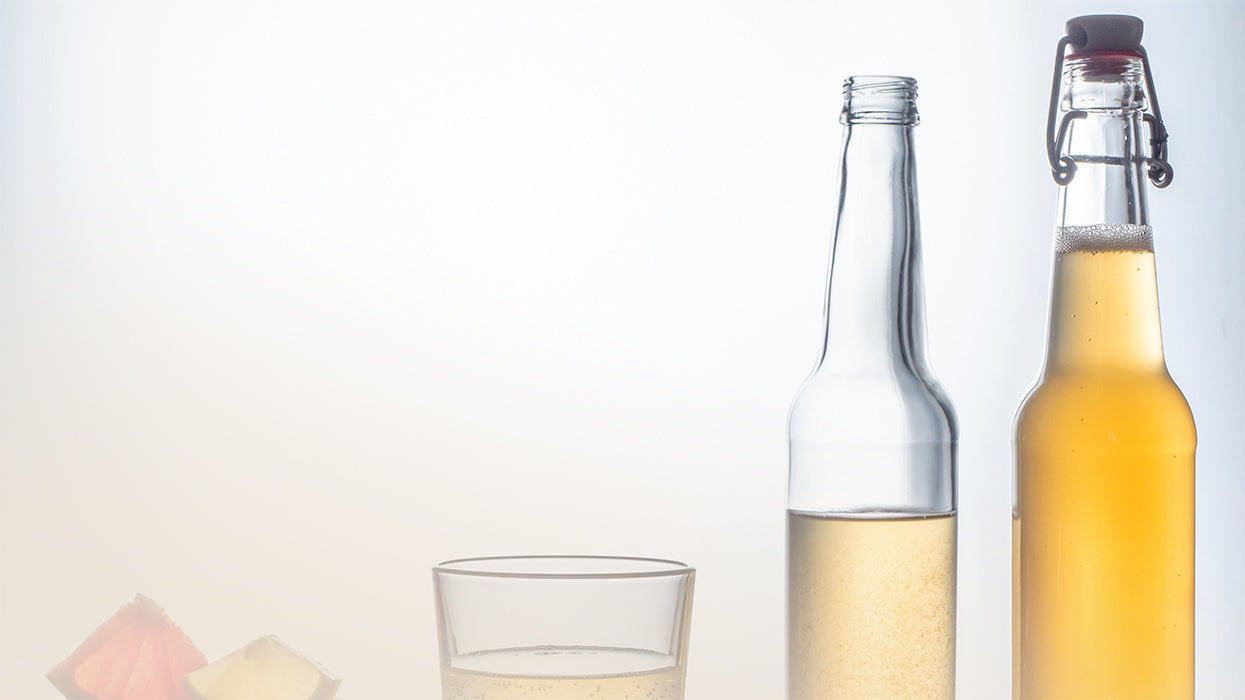
Kombucha is a fermented tea drink created with the help of a community of bacteria and yeasts. During fermentation, some of the sugar is metabolized, and the typical sweet-sour taste develops.
Depending on the kombucha culture, tea, and production method, different organic acids and other fermentation products are created.
In raw, unpasteurized kombucha, live cultures can also remain in the finished drink.

How is Kombucha Made?
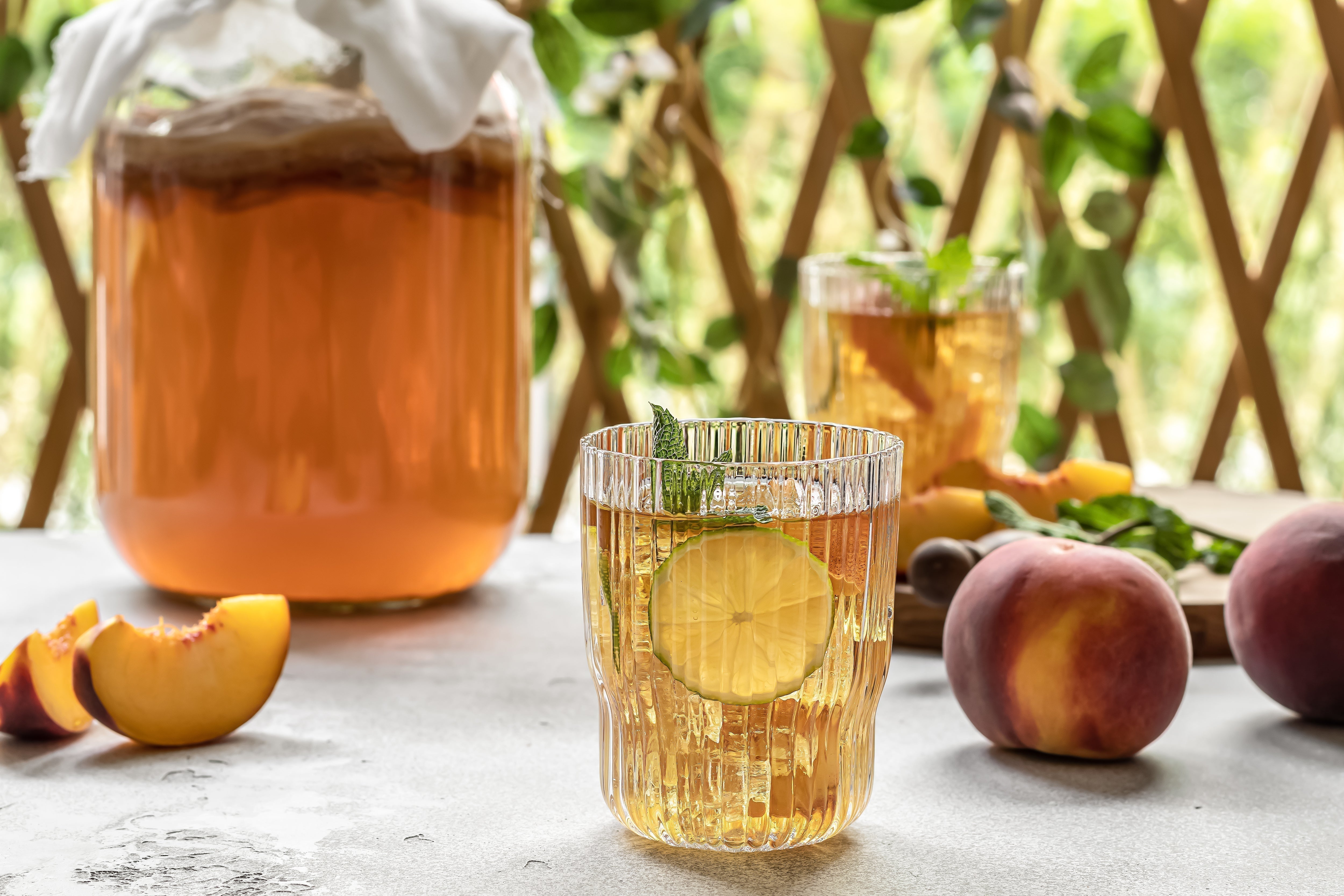
For thousands of years, real, unpasteurized kombucha has been produced using a consistently similar process. A symbiosis of yeast cultures and bacteria is added to sweetened tea and then begins to ferment. During this process, the fermentation of kombucha, the sugar is metabolized by the kombucha culture over several days, and organic acids and other natural fermentation products can form. At the end of fermentation, only a small amount of sugar remains in the kombucha. Most of the sugar has already been utilized by the kombucha culture. Kombucha fermentation is usually carried out with a tea base of black or green tea, but other tea varieties can also be a delicious option with a little experience.
What is Kombucha Research Exploring?
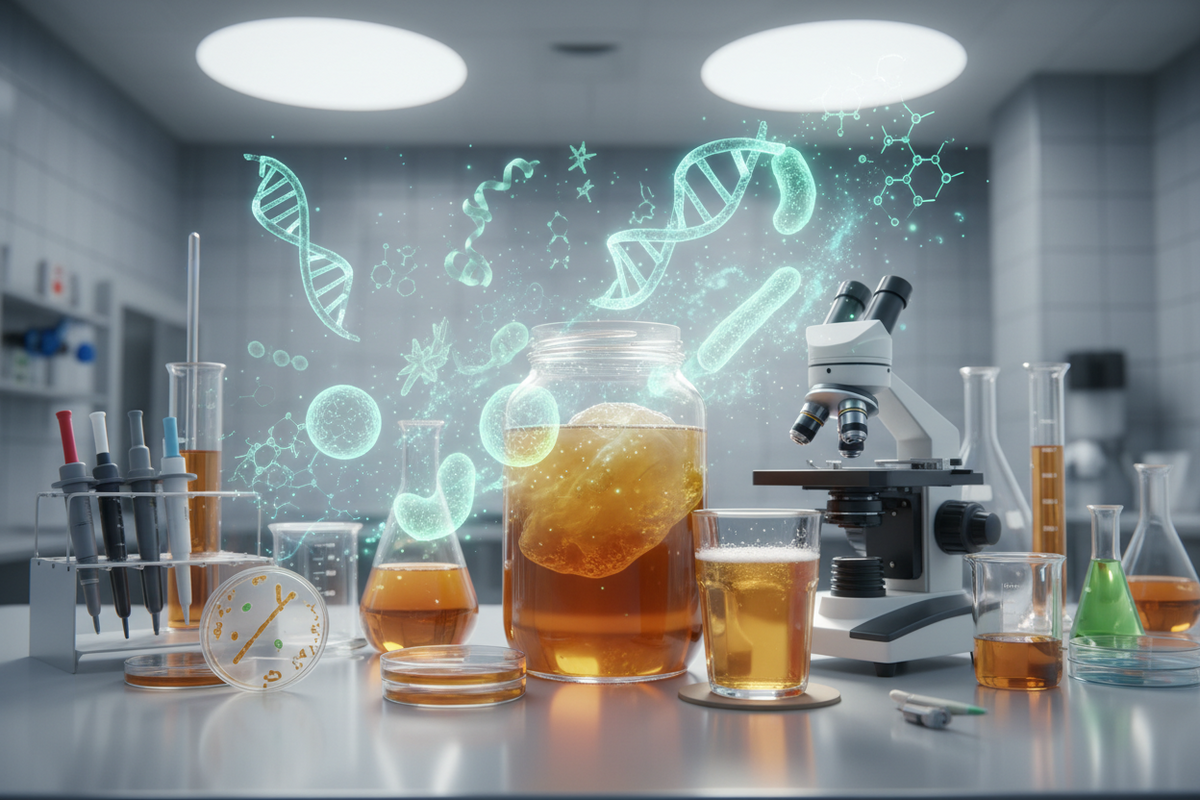
Kombucha is a complex fermented beverage. Depending on the raw materials, microorganisms, and production methods, organic acids and various metabolic products can form during fermentation, among other things.
In scientific studies, these components, as well as fermented foods in general, are investigated in connection with metabolism, microbiome, and digestive processes, among other things. However, the results vary considerably depending on the study design, the product examined, and the group of people.
Therefore, no general health effects of kombucha can be derived from these research approaches. Kombucha is particularly interesting as an example of how microorganisms biochemically alter tea and sugar during fermentation.
(1) Hessmann-Kosaris A, Natürlich gesund mit Kombucha, Augsburg, 1999.
(2) Hannah Crum, Alex LaGory, The Big Book of Kombucha, 2016




Share: