


Have you ever wondered why kombucha can contain small amounts of alcohol? The answer lies in fermentation. Yeasts and bacteria transform sweetened tea into kombucha, and in the process, in addition to organic acids and natural carbonation, small amounts of alcohol can also be produced.
How does alcohol form in kombucha? What is the alcohol content? Is there kombucha without alcohol? And what should pregnant women or parents consider? Here you'll find an overview of the most important questions about kombucha and alcohol.
Kombucha: The fermented tea drink briefly explained
Kombucha is a fermented tea drink made with the help of a kombucha culture. The so-called SCOBY stands for "Symbiotic Culture of Bacteria and Yeast" and refers to a community of various bacteria and yeasts.
During fermentation, these microorganisms utilize components of the sweetened tea for their metabolic processes. This can result in, among other things, organic acids, carbonation, small amounts of alcohol, and other fermentation products. Which substances are actually present in the end and in what concentration depends on the culture, recipe, and fermentation conditions.
How does alcohol form in kombucha?
During kombucha fermentation, yeasts metabolize a portion of the available sugar. This produces, among other things, ethanol and carbon dioxide.
Certain bacteria in the kombucha culture can, in turn, further metabolize a portion of the ethanol produced into organic acids. This interplay of yeasts and bacteria contributes to the typical sweet-sour taste of kombucha.
How much alcohol remains in the drink in the end depends on numerous factors. These include, for example, the culture used, the amount of sugar, temperature, oxygen supply, and fermentation duration.
Do you want to ferment your own kombucha? Here you'll find our step-by-step guide for beginners.
What is the alcohol content of kombucha?
The alcohol content of kombucha can vary significantly depending on the production method. Especially with homemade kombucha, it is therefore not possible to specify a universally valid alcohol value based on the fermentation duration.
Culture, recipe, temperature, oxygen supply, sugar content, fermentation duration, and storage can all influence how much alcohol is produced and how much of it is subsequently metabolized.
For commercially produced kombucha, the alcohol content can be monitored through controlled production processes and corresponding analyses.
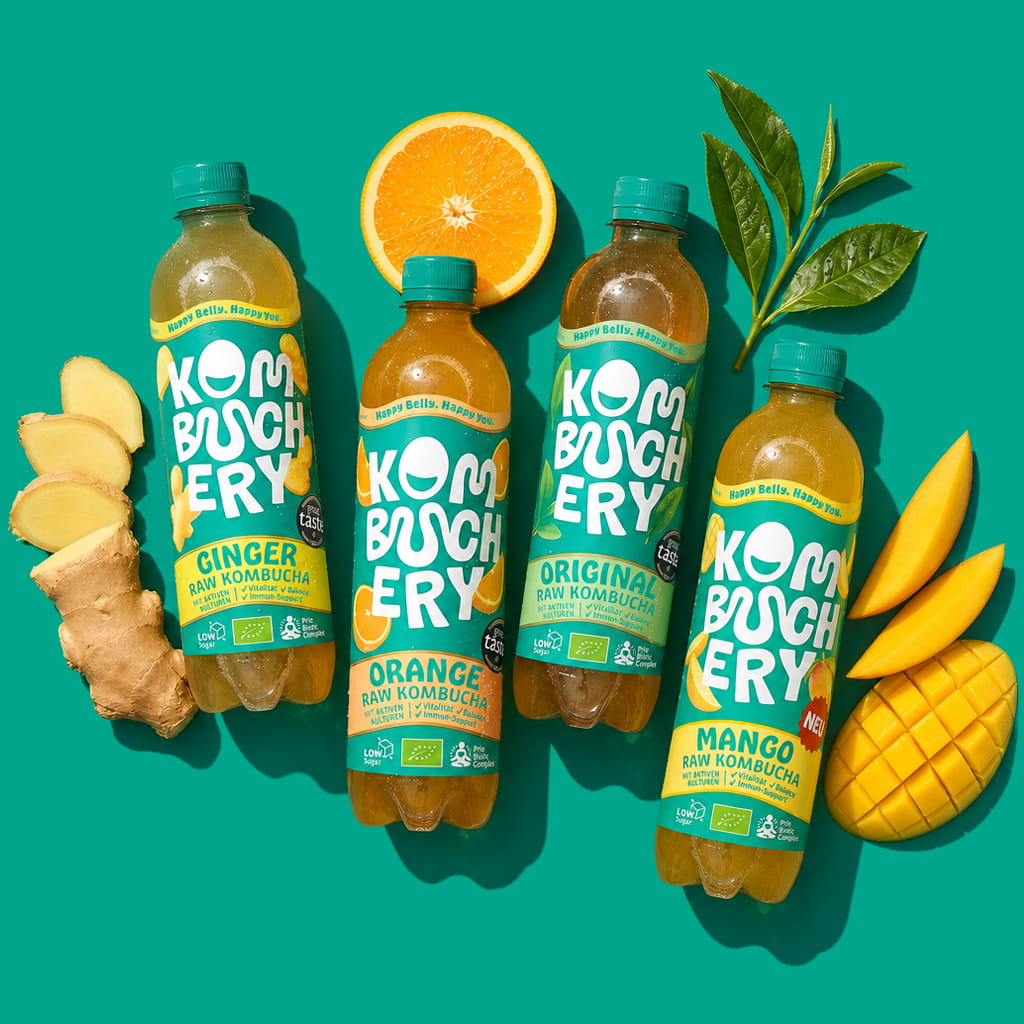
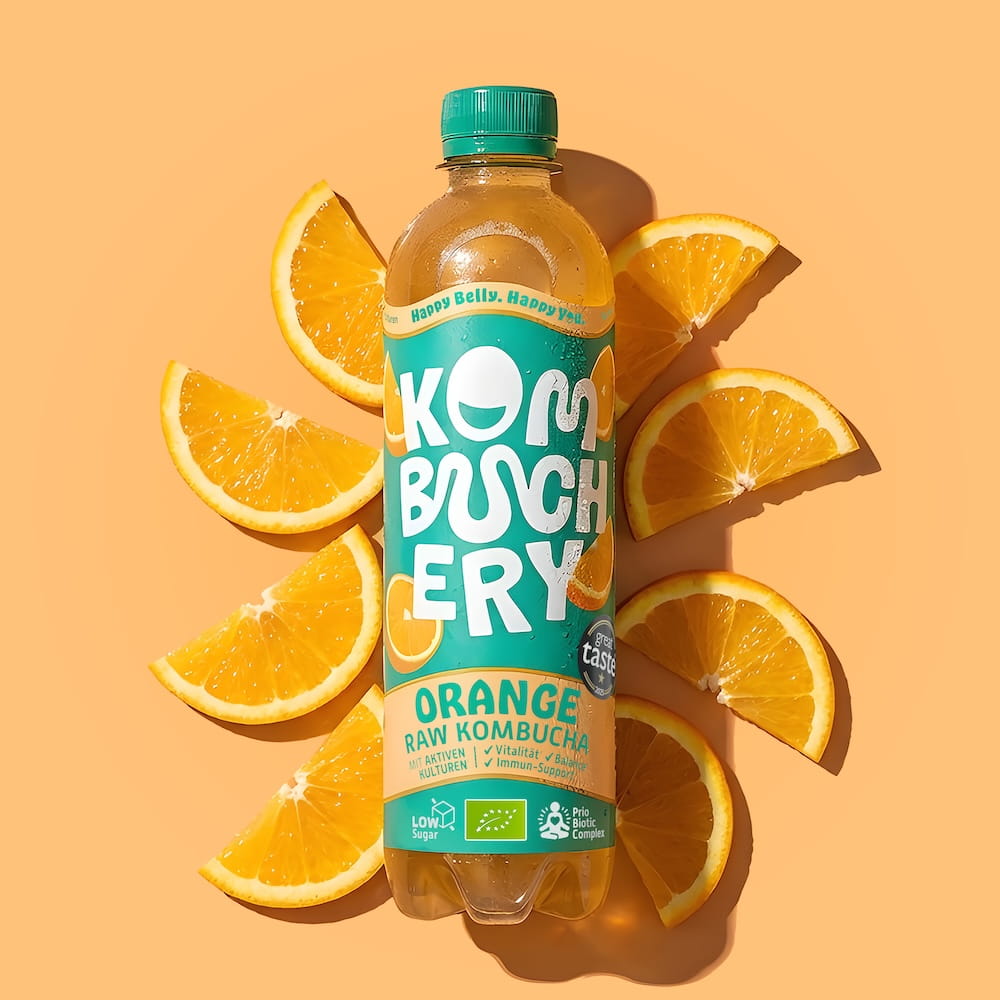
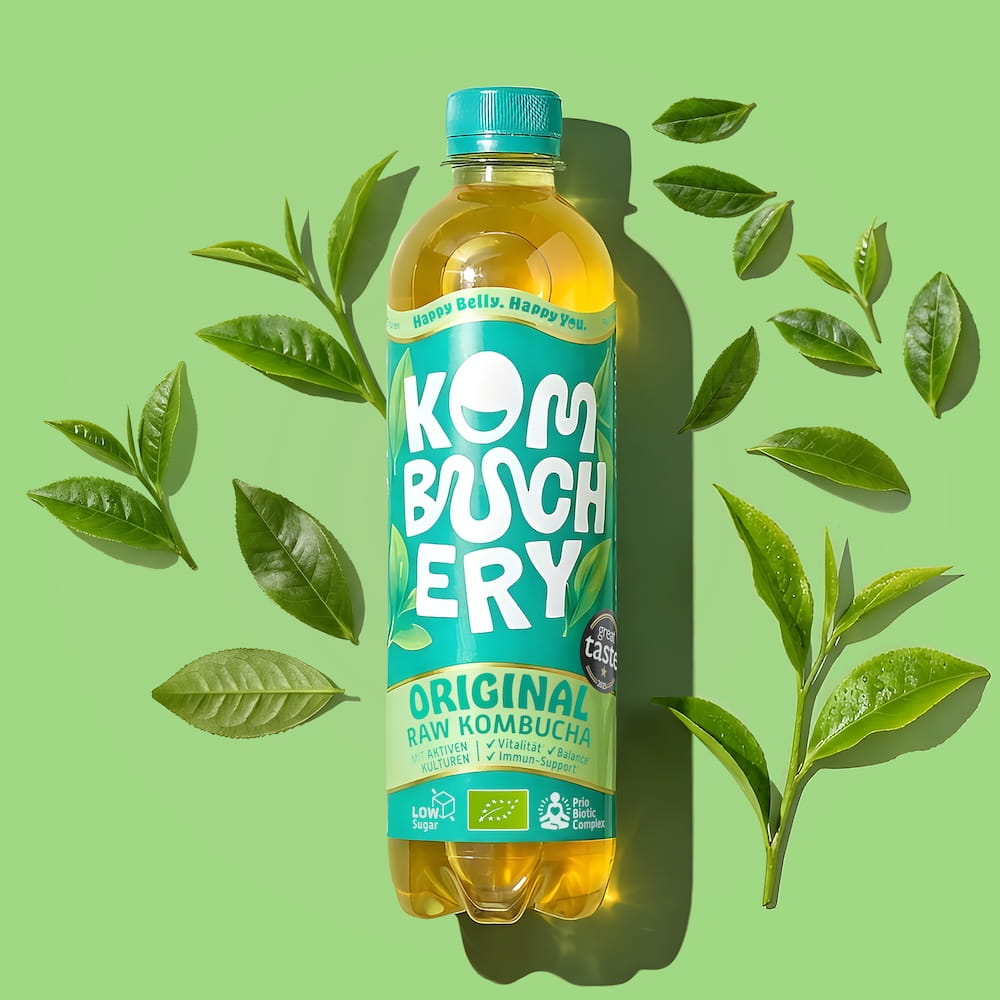
Due to the production process, Kombuchery contains only small amounts of alcohol, with a maximum of 0.5% vol.
Can pregnant women drink kombucha?
Kombucha can contain small amounts of alcohol and, depending on the tea used, also caffeine. During pregnancy, it is generally recommended to avoid alcohol.
Pregnant women should therefore pay particular attention to the information on the respective product when consuming kombucha and, if in doubt, discuss with their doctor whether the drink is suitable for them.
Individual factors can also play a role during breastfeeding. If there is any uncertainty, professional consultation is recommended.
Can children drink kombucha?
It should also be considered with children that kombucha can contain small amounts of alcohol and, depending on the tea used, caffeine.
A general daily maximum amount of kombucha for children cannot be reliably determined. Whether and in what quantity kombucha is suitable depends, among other things, on the child's age, the specific product, and the rest of their diet. For young children or if there is any uncertainty, consultation with a pediatrician is recommended.
Can kombucha be made without alcohol?
In classic fermentation with yeasts, the production of small amounts of alcohol cannot be fundamentally ruled out. However, the alcohol content can be influenced by the culture used and the conditions during production and storage.
Anyone fermenting kombucha at home should be aware that the actual alcohol content cannot be reliably determined without measurement.
What influences the alcohol content of homemade kombucha?
During home fermentation, various factors can influence how much alcohol is produced and how much of it remains in the finished kombucha.
1. Sugar and Recipe
Sugar is an important component of classic kombucha fermentation and serves as a substrate for the microorganisms involved.
The amount of sugar used can influence the course of fermentation. However, simply using as little sugar as possible is not a reliable method to achieve a specific alcohol content. Strong changes to the recipe can also affect taste and fermentation progress.
2. SCOBY and Kombucha Culture
The composition of the kombucha culture used also plays a role. A SCOBY contains a community of different bacteria and yeasts, whose composition can vary from culture to culture.
This can lead to different fermentation processes even with similar recipes. However, the later alcohol content cannot be reliably determined from the appearance of a SCOBY.
3. Oxygen and Temperature
Temperature and oxygen supply also influence kombucha fermentation.
A classic kombucha batch is usually fermented in a suitable vessel with an air-permeable cover. Temperature, vessel shape, and oxygen availability can influence the activity of the microorganisms involved and thus also the composition of the finished drink.
Anyone who wants to reliably determine a specific alcohol content requires a suitable measurement. It cannot be reliably determined from fermentation duration, taste, or recipe alone.
What is Hard Kombucha?
"Hard kombucha" refers to kombucha with a significantly higher alcohol content. Especially in the USA, there are numerous hard kombucha products that are deliberately produced as alcoholic beverages.
For this purpose, production methods and yeast cultures can be used that specifically generate a higher alcohol content. Hard kombucha should therefore not be equated with classic kombucha, which contains only small amounts of alcohol.
FAQ on Kombucha, Alcohol, and Fermentation
Is kombucha healthy?
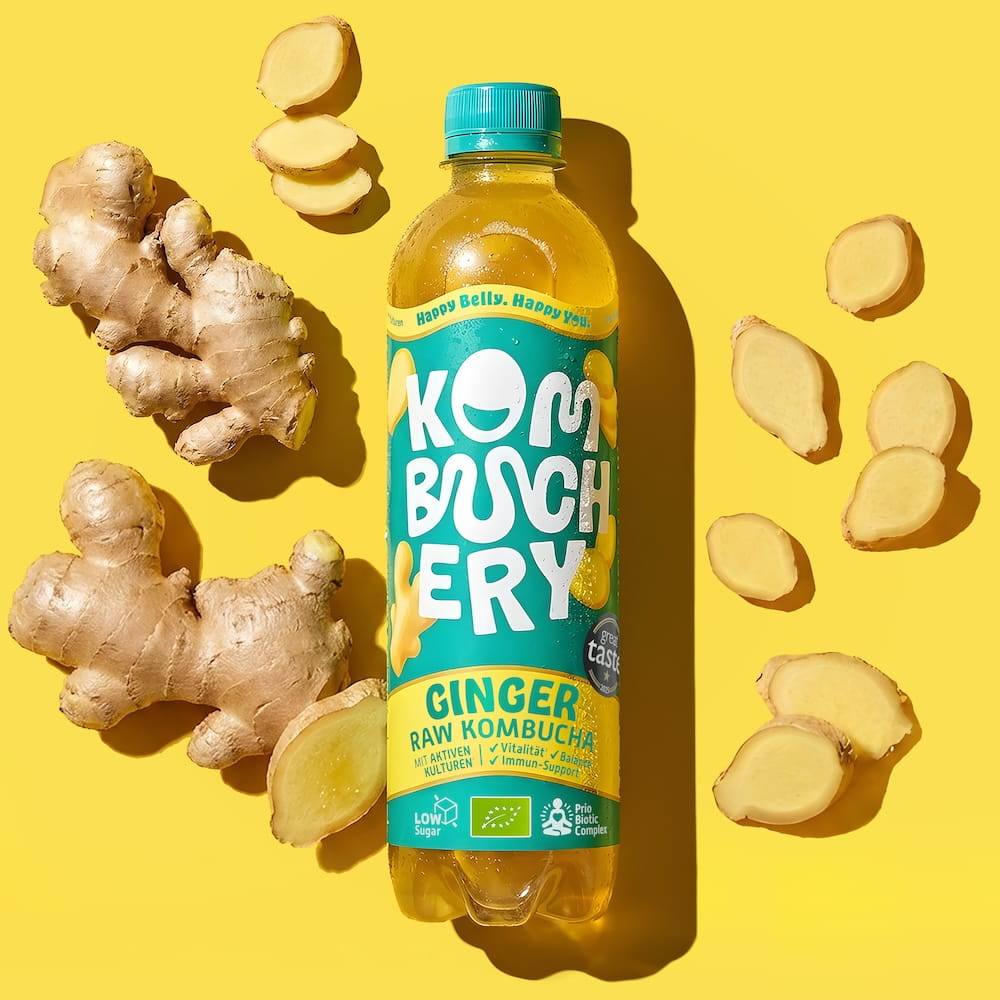
Kombuchery is our unpasteurized raw kombucha with only 2.3 g of sugar and 9 kcal per 100 ml. It contains millions of active cultures and natural vitamin C from acerola.
Vitamin C contributes to the normal function of the immune system and normal energy metabolism. Vitamin C also helps protect cells from oxidative stress.*
However, the fact that a fermented food contains live microorganisms does not automatically mean that a specific effect on the gut or microbiome can be derived from it.
When can you drink kombucha?
You can generally enjoy kombucha at different times of the day – with meals, as a refreshment in between, or as an alternative to classic soft drinks.
Since kombucha is made from tea, it can also contain caffeine depending on the recipe. When you prefer to drink it therefore depends on your personal preferences and individual tolerance.
How much sugar is in kombucha?
The sugar content of kombucha depends on the recipe and production method. Sugar plays an important role in fermentation because the yeasts and bacteria involved use it for their metabolic processes.
A portion of the sugar used is metabolized during fermentation. The amount of residual sugar remaining in the finished drink can vary significantly from product to product.
Kombuchery contains only 2.3 g of sugar per 100 ml, which is 50% less sugar than conventional soft drinks.
How many calories does kombucha have?
The calorie content of kombucha depends particularly on the recipe, residual sugar content, and other ingredients used.
Kombuchery contains 9 kcal per 100 ml. The specific nutritional values can always be found directly on the respective product page and on the label.
What is a SCOBY?
SCOBY stands for "Symbiotic Culture of Bacteria and Yeast." It refers to a community of different bacteria and yeasts involved in kombucha fermentation.
The typical solid SCOBY consists largely of a cellulose matrix formed by microorganisms. Therefore, the frequently used term "tea mushroom" is common vernacular, but not entirely biologically correct.
Together with sufficient starter liquid, the kombucha culture is used to ferment sweetened tea. This can produce organic acids, carbonation, small amounts of alcohol, and other fermentation products.



Share:
1 comment
Ich habe da ne Frage: ich habe das mit dem Scoby und dem Alkohol nicht verstanden. Mein Scoby macht mir Kefir, den ich ca. 5-6 Tage fermentieren lasse. Leider wird es immer zu sauer, also Essigartig und ich fülle es ab, bediene mich davon, lagere es kühl ( meist hält das so 4-5 Tage) und wenn ich es trinke wird mir leicht schumrig ( ich muss gestehen ich trinke seit 6 Jahren kein Alkohol und bin nichts mehr gewöhnt). Ist mein Scoby jetzt Bakterien technisch nicht mehr einwandfrei, wenn er solche Mengen Alkohol produziert dass ich es spühre? heisst dass es besonders fleissig ist oder dass er es nicht mehr packt? wachsen tut der Scoby wie blöd, das tut. hab auch mal gelesen dass umso länger er abgefüllt ist umso mehr gärt er nach umd bildet noch mehr Alkohol…aber Tag für Tag? wie bei mir 4-5 Tage draussen im kühlen bei 4 grad? ich hoffe du kannst mir helfen. danke dir.