


From tempting sweetness to white poison? Is sugar really unhealthy, or is it harmless to our bodies even in moderation? With this article, I want to draw your attention to a more conscious approach to sugar and provide you with all the useful facts.
Why Sugar Can Be Harmful
Sugar, in the form of blood sugar, is a component of our bodies. Sugar is also found in natural foods, such as fruits, vegetables, or grains. These forms of sugar generally do not pose a problem.

However, when it comes to added sugars like table sugar or glucose syrup, it's worth taking a closer look at quantities and ingredients. How much blood sugar levels rise after a meal depends on various factors such as the type and amount of carbohydrates and the overall composition of the meal. Sugary foods can cause blood sugar levels to rise. How sharply this rise occurs depends, among other things, on the amount, food, and overall meal composition. A high consumption of free sugars particularly increases the risk of tooth decay and, with consistently high energy intake, can contribute to weight gain.
The Glycemic Index (GI)
How quickly and how high blood sugar levels rise after consuming a food is measured by a specific parameter: the glycemic index. The glycemic index describes how quickly carbohydrate-containing foods raise blood sugar levels compared to glucose.
Pure glucose has the highest GI of 100. White bread, for example, is between 70 and 85, and cola is 70. Whole grain products have a GI of 40, and legumes, as well as most fruits and vegetables, are even lower.
Foods with a lower glycemic index generally lead to a slower rise in blood sugar than foods with a high GI. However, the glycemic index alone is not sufficient to nutritionally assess a food. Portion size, fiber content, processing, and combination with other foods also play a role.
Different foods can affect blood sugar levels differently. The crucial factors are not just individual types of sugar, but also the composition, quantity, and combination of consumed foods.
With natural sugar in fruits or grains, you also absorb accompanying substances like vitamins, minerals, and fiber. In contrast to, for example, fruits or whole grain products, isolated and refined sugars do not provide comparable amounts of fiber and other natural components of the original food.
What Makes a Healthy Sugar?
Sugar occurs naturally, for example, in fruits and dairy products and can also be added to foods. For nutritional classification, therefore, not only the type of sugar is crucial, but also the overall composition of the food and the total amount consumed.
Health Problems and Risks
Highly processed foods and added sugar play a significantly larger role today than in the past. Therefore, it's worth consciously keeping an eye on quantities and ingredients.
Highly sugary and ultra-processed foods often provide only small amounts of fiber and micronutrients, depending on the product. However, the overall diet is crucial for nutrient supply. If, for example, we were to eat the entire sugar beet, we would consume not only carbohydrates but also fiber, vitamins, and minerals. Nature has combined everything that serves a balanced nutrient supply in fruits.
Table sugar & co., unfortunately, no longer contain any nutrients. Refined table sugar primarily provides carbohydrates and contains no relevant amounts of fiber and only small amounts of micronutrients. However, this does not mean that the body universally depletes its vitamin or mineral reserves during processing.
A very unbalanced diet can make it difficult to obtain sufficient amounts of individual nutrients. Whether a vitamin or mineral deficiency actually occurs depends on the overall diet and other individual factors. And here we can lump sugar, white flour, and white rice together. All of them have lost almost all their nutrient diversity due to the intensive processing.
What health consequences a specific nutrient deficiency can have depends on the nutrient affected, the severity, and the duration of the deficiency and cannot be generalized.

Tips for switching to a low-sugar diet:
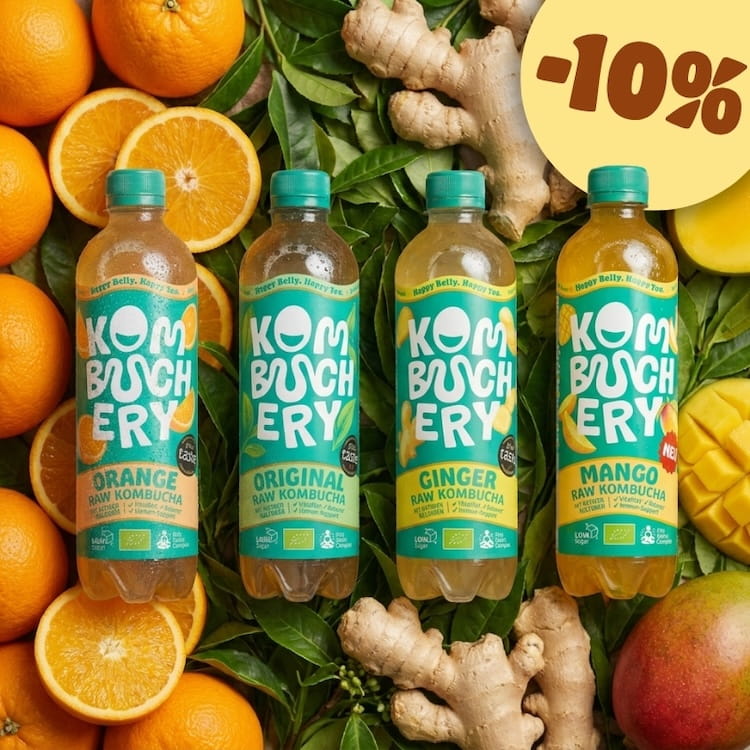
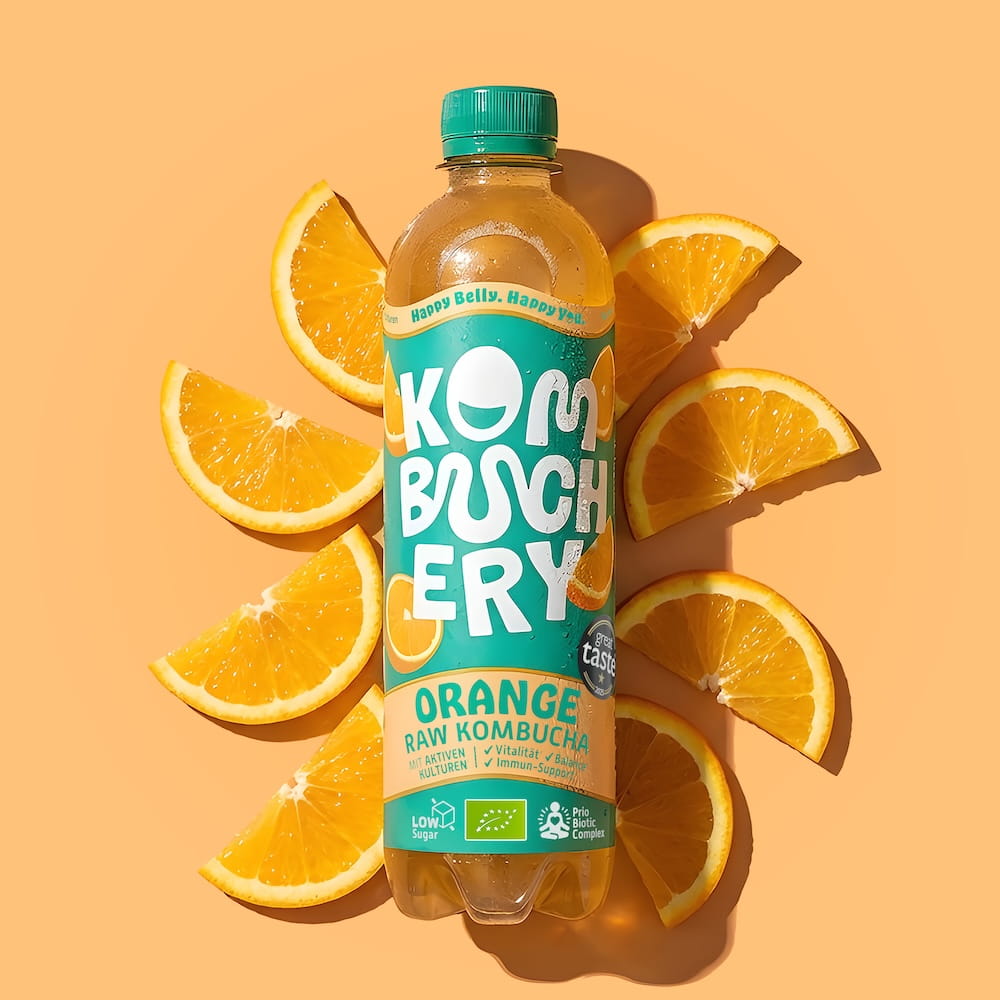
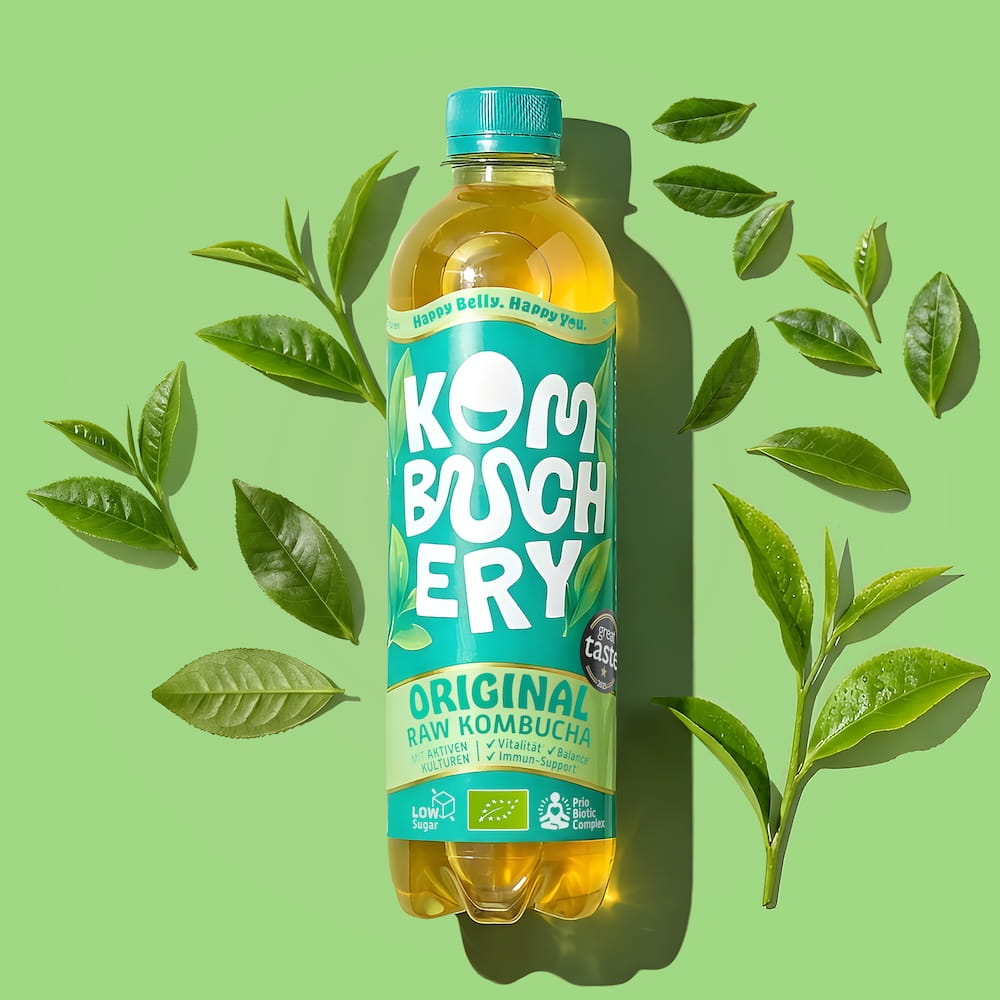
- Pay attention to the sugar content of drinks and choose low-sugar alternatives. Kombuchery, for example, contains 2.3 g of sugar per 100 ml.
- Start the day with a sugar-free breakfast.
- Eat plenty of fresh, raw foods, with as many bitter substances as possible.
- Wild herbs, with their different aromas and plant compounds, can provide additional variety on the menu.
- Prefer valuable carbohydrate-rich foods such as sprouts, nuts, or sweet potatoes.
- Eat as few convenience foods as possible.
- Read ingredient lists of foods and identify hidden sugars.
- Use alternative sweeteners.
- Get used to thorough chewing.

Labeling of Sugar
Reading ingredient lists when shopping can sometimes be difficult – sugar is hidden behind many names, especially behind various types of sugar syrup. Syrup is cheap, sweetens even more intensely due to its usually higher fructose content, and has now found its way into almost all convenience foods.
Sugar can have the following designations:
Sugar |
Sugar Syrup |
Alternative Sweeteners |
|
Brown Sugar
Dextrose Fructose Gelling Sugar Barley Malt Extract Invert Sugar Rock Candy Caramel Sugar Lactose Maltose Malt Sugar Milk Sugar Cane Sugar Sucrose Grape Sugar Vanilla Sugar White Sugar |
Fructose Syrup |
Agave Nectar
Date Syrup Fruit Concentrates Fruit Juice Concentrates Honey Coconut Blossom Sugar Palm Sugar Stevia Grape Fruit Sweetener |
Beware!
When reviewing ingredient lists, it's easy to misjudge the sugar content and the sweeteners used.
- Sugar hides behind names that do not directly suggest sugar, such as dextrose or isoglucose.
- Multiple listings of sweetening ingredients cause them to move down the ingredient list, but in total, they result in enormous amounts of sugar.
- Products labeled "unsweetened," such as rice milk, still contain 7.2 g of sugar per 100 ml.
- Products like pizza, vegetarian spreads, and much more contain various sugar additives.
Sugar Alternatives at a Glance
Agave Syrup
Agave syrup is extracted from agave plants and then filtered and concentrated, among other processes. It consists mainly of fructose and glucose and has a comparatively high fructose content. Therefore, agave syrup is also considered a sugar-rich sweetener and should be treated as a sugar source accordingly.
Caution: A high fructose content can also have negative effects. Fructose is primarily metabolized in the liver. Despite its high fructose content, agave syrup remains a concentrated sugar source and should be considered like other sweeteners.

Maple Syrup
Maple syrup is the boiled-down sap of the Canadian maple tree. Approximately one liter of syrup is produced from about 40 liters of sap. It has a slight caramel taste and contains about 67 percent sugar, 1:1 glucose and fructose, as well as small amounts of minerals such as potassium, iron, and magnesium. Maple syrup consists predominantly of sugar and also contains small amounts of various minerals and other plant components. Composition and sweetness vary depending on the product; maple syrup should also be considered a sugar source.
Apple Thick Juice
Apple thick juice is also called apple sweetness. In its production, apples are pressed into juice and then concentrated. Apple thick juice is a regional sweetener, tastes slightly tart and a little like apples. Depending on the manufacturing process and temperature, minerals and secondary plant compounds can be preserved. It should be noted that thick juices have a fructose content of approximately 60%.
Date Syrup
Date syrup is made from dates and consists largely of various types of sugar. Depending on the manufacturing process, small amounts of minerals and other components of the date may also be present.
Date paste can be made very easily at home and, unlike a highly filtered syrup, also contains components of the whole fruit.
Recipe:
Soak 200 g of dates in water for at least 2 hours. Then puree and season with cinnamon, vanilla, or cardamom as desired. The amount of water determines how thick the paste should be. Stored in a sealed jar, it will keep for about a week in the refrigerator.

Honey
Honey, like sugar, consists of glucose and fructose, but also contains the minerals potassium, magnesium, calcium, B vitamins, vitamin C, and additional enzymes. It is recommended to buy cold-extracted honey from a local beekeeper. Honey is traditionally used as a sweetener and varies significantly in taste, origin, and composition depending on the variety.
Coconut Blossom Sugar
This is the concentrated, crystallized sap of coconut palm blossoms. Like regular sugar, it is sucrose, composed of one part glucose and one part fructose. Coconut blossom sugar, like table sugar, consists mainly of sugar and should therefore also be used consciously and in appropriate amounts. In addition to minerals such as iron, magnesium, zinc, and potassium, it also contains the dietary fiber inulin. It has a slightly caramel taste and is not quite as sweet as table sugar.
Rice Syrup
Rice syrup is made from rice or rice flour and contains predominantly glucose and carbohydrates derived from it, but hardly any fructose. Nevertheless, it remains a sugar-rich sweetener and should be included in the total sugar intake accordingly. Rice syrup still contains some minerals such as potassium, iron, and magnesium and tastes slightly malty-nutty. Its sweetness is only half that of table sugar.
Stevia
Stevia, also known as sweet herb, is a plant with intense sweetness and a licorice-like aftertaste. Approximately 20% of the green leaves consist of the sweetening substances stevioside and rebaudioside A, which are 300 to 400 times sweeter than sugar. However, intensive processing is necessary to extract the sweetening substances. Steviol glycosides provide a very high sweetening power and are therefore only used in small quantities. The properties and ingredients of finished stevia products differ depending on the manufacturer and dosage form.
Yacon Syrup
Yacon syrup, similar to maple syrup, has a caramel-like sweetness. It is extracted from the tuber of the yacon plant, which is related to the Jerusalem artichoke. Like Jerusalem artichoke tubers, yacon tubers contain abundant water-soluble dietary fibers. In addition to inulin, yacon tubers also contain fructooligosaccharides (FOS). Fructooligosaccharides belong to the non-digestible carbohydrates and can be fermented by certain microorganisms in the gut.
Due to its composition, yacon syrup is often offered as an alternative to classic sweeteners. It contains, among other things, fructooligosaccharides. However, its composition and sugar content should still be considered in the diet, as with other sweeteners. It should be noted that the consumption of yacon syrup can lead to digestive problems in sensitive individuals, such as diarrhea or bloating.
Erythritol
Erythritol is a sugar alcohol with about 70 percent of the sweetness of table sugar. The substance also occurs naturally in small amounts in various foods and is industrially produced for use as a sweetener.
Erythritol provides virtually no usable carbohydrates and therefore has a very small impact on blood sugar levels. However, in larger quantities, sugar alcohols can cause gastrointestinal discomfort. Taste and tolerance differ individually.
*from “How Not to Die” by Dr. Michael Greger
Conclusion
The sweeteners presented differ in taste, composition, and sweetness. A general classification as "healthier" than table sugar is therefore not possible. Alternative sweeteners should therefore also be used consciously and in appropriate amounts.
Which sweeteners you use is ultimately a matter of taste, recipe, and personal diet. The total amount of sugar or sweeteners consumed remains crucial.
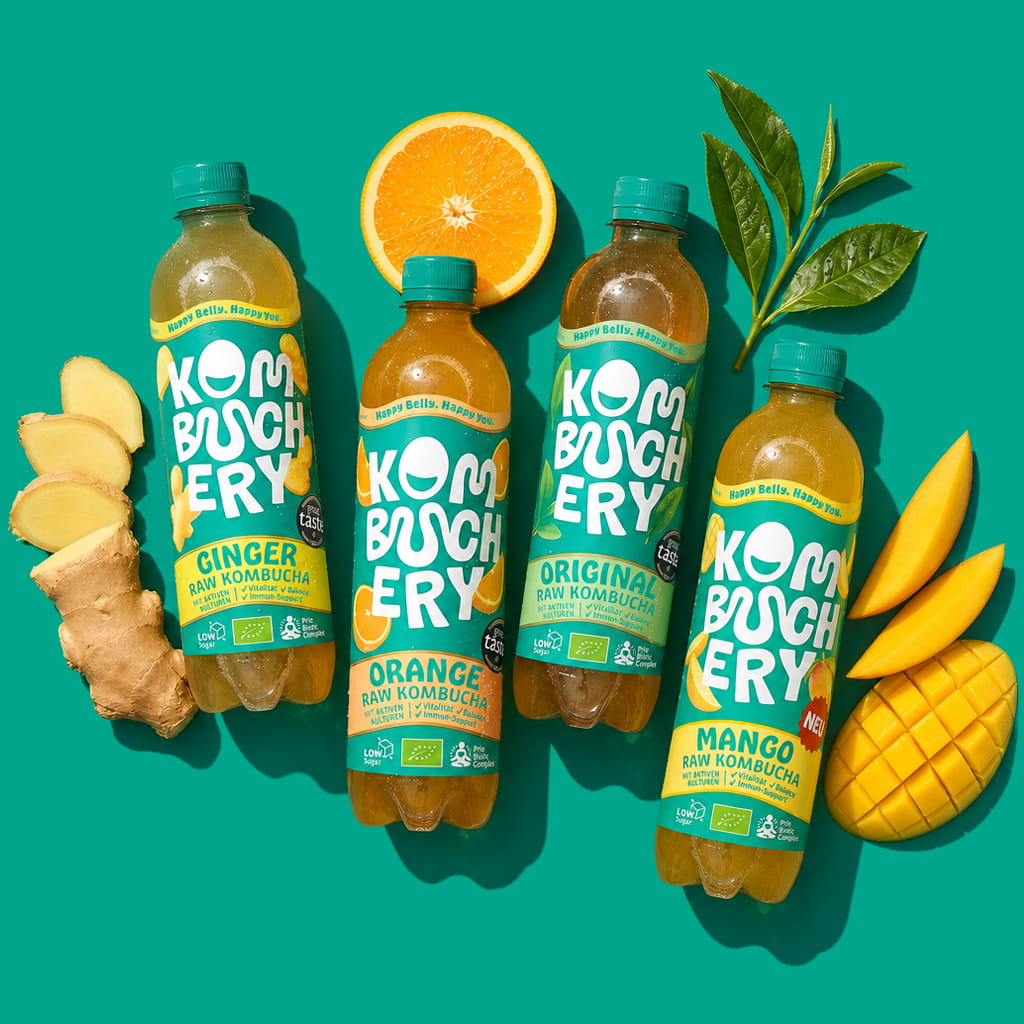
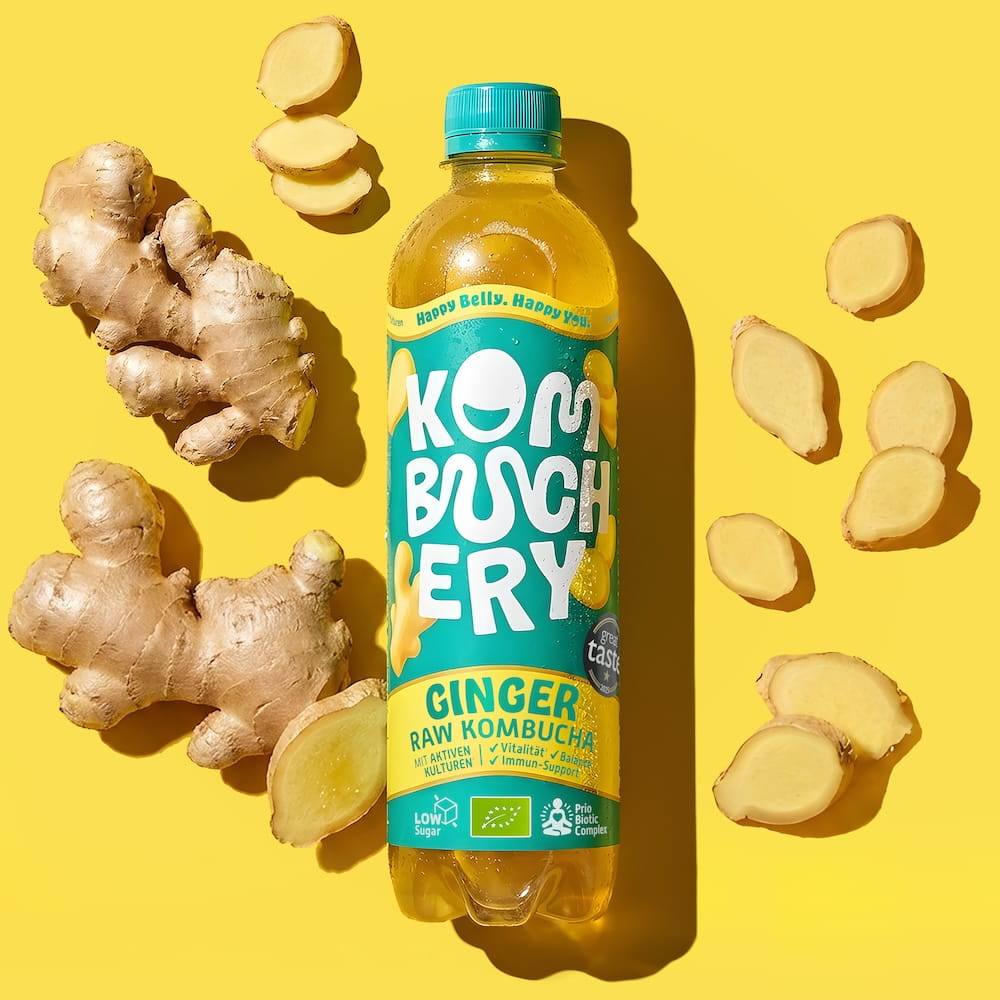
Sugar plays an important role in Kombucha fermentation and is partially metabolized by the microorganisms involved. Kombuchery contains 2.3 g of sugar per 100 ml, which is 50% less sugar than conventional soft drinks. Our Raw Kombucha remains unpasteurized and contains millions of active cultures and vitamin C from acerola.*
Furthermore, I recommend new taste experiences with fresh fruits and vegetables, combined with plenty of leafy greens and wild herbs, to initiate a gentle change in taste.
Good luck and good health!



Share: