


It's not just your gut that's part of your microbiome – The microbiome as a whole should be seen as an organ
With the 2014 bestseller "Gut: The Inside Story of Our Body's Most Underrated Organ" by Giulia Enders, it became clear to the general public that the gut is an underrated organ. It needs more attention because the many microorganisms present in the gut are linked to numerous processes in the body – from metabolism to the gut-brain axis. We must stop fighting against our gut and its bacteria and start living in a loving symbiosis with it.
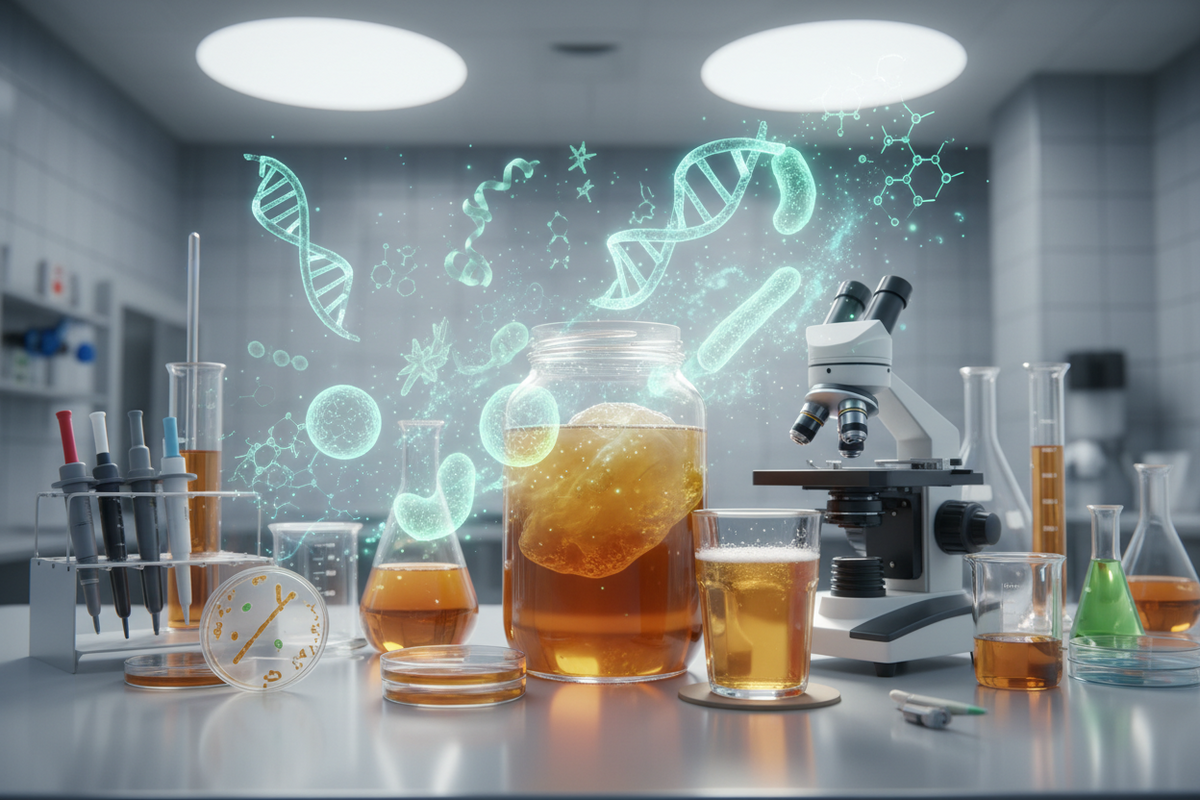
The human microbiome refers to the totality of microorganisms that colonize different areas of our body. These include, among others, the gut, skin, oral and nasal cavities, and other mucous membranes. The gut microbiome is particularly intensively researched because its microorganisms are involved in numerous metabolic processes and interact with their environment in the body.
The microbiome is connected to numerous processes in the human body and is studied, among other things, in connection with the immune system, metabolism, and the gut-brain axis. Microbial diversity also plays a role. However, individual changes in the microbiome cannot generally be inferred to cause specific diseases.
The colonization of the infant's body with microorganisms begins around birth. Birth mode, diet, environment, and numerous other factors subsequently influence the development of the early microbiome.


How can you specifically support your gut microbiome?
A plant-based and fiber-rich diet is intensively investigated in connection with the composition and function of the gut microbiome. Other factors such as exercise, stress, medication, and the overall diet can also influence the microbiome. However, what changes result from this in individual cases and what health significance they have cannot be generally predicted.
Dietary factors and microbiome
How different foods and diets are related to the composition and function of the gut microbiome is being intensively investigated. This includes, among other things, the intake of fiber, the diversity of plant-based foods, and the consumption of highly processed foods, alcohol, and various food additives. How strongly individual factors influence the microbiome varies individually and cannot be generally reduced to individual foods.
Fermented and fiber-rich foods in a varied diet
- Fiber-rich foods
- lots of fresh fruit and vegetables
- Whole grain products
- Legumes
- fermented dairy products

Fermented foods and beverages
- Sauerkraut
- Fermented vegetables
- Kimchi
- Water kefir
- Milk kefir
- Kombucha
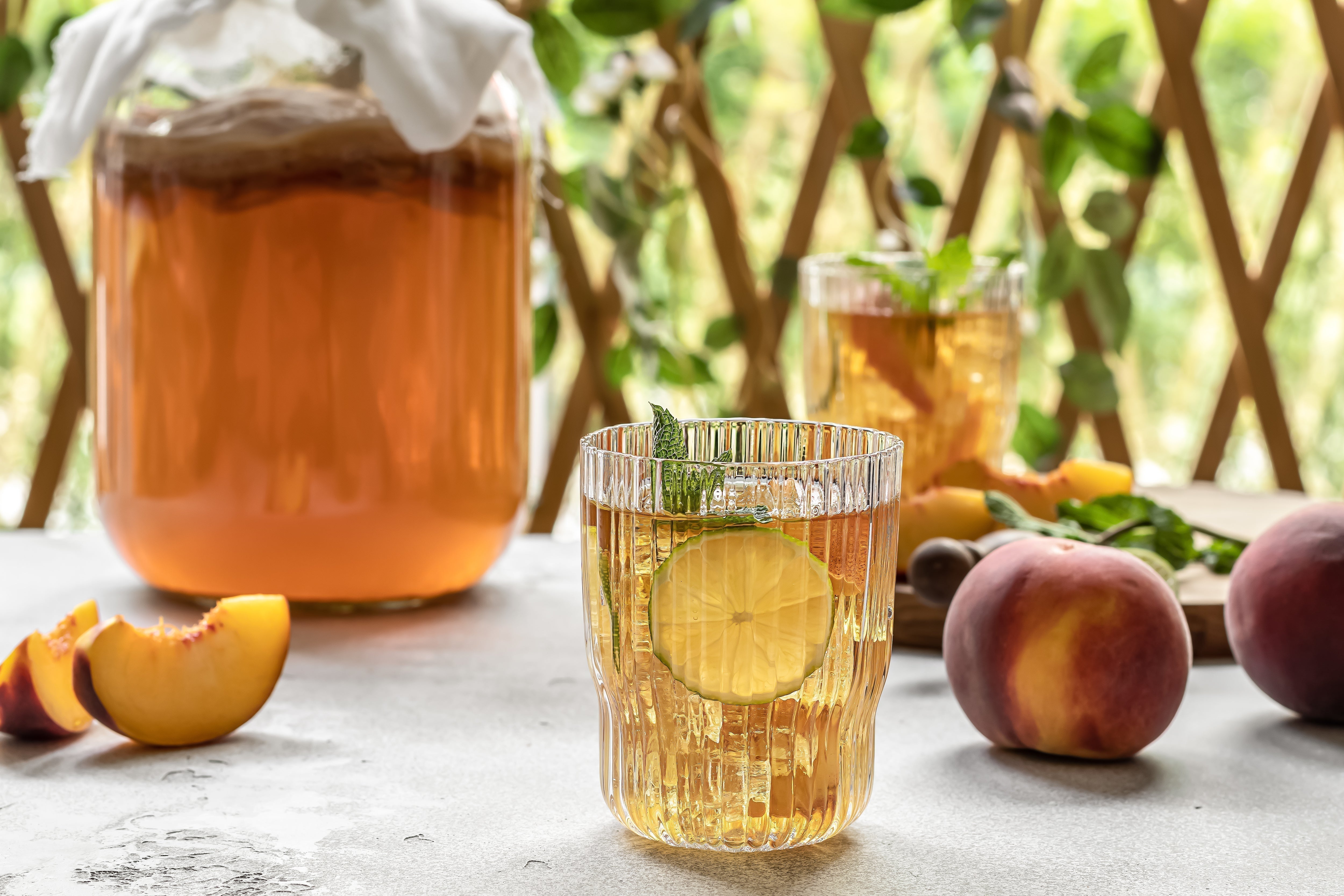
Fermented foods are produced with the help of various microorganisms and can contain living cultures depending on the production method. However, this does not automatically mean that they can be classified as probiotics or have a specific effect on the gut flora. Our Raw Kombucha is a fermented alternative to classic soft drinks and contains millions of active cultures and vitamin C.
Probiotics
are defined living microorganisms, which, depending on the specific product and strain investigated, include, for example, certain lactobacilli or bifidobacteria.
- their properties are strain and product specific
- possible effects depend on the specific microorganism studied, its quantity, and the respective area of application
- not every food with live cultures is automatically a probiotic
- fermented foods can contain different live microorganisms depending on their production
Prebiotics
are certain indigestible food components such as inulin, fructo-oligosaccharides (FOS) or galacto-oligosaccharides (GOS).
- can be used as a food source by certain gut bacteria
- are metabolized differently by microorganisms in the large intestine
- are therefore an interesting component of a fiber-rich and varied diet
FOS and inulin are found, for example, in artichokes, leeks, chicory, garlic, wheat, onions, and bananas.

Lifestyle and microbiome: Which factors play a role
Diet is only one of many factors that influence the gut microbiome. Medication, exercise, sleep, stress, age, and individual living conditions can also change its composition. For everyday life, it is therefore worthwhile to look at the overall picture instead of individual supposed miracle cures. Always make sure that you…
- drink enough water
- chew slowly and eat mindfully
- do not eat meals too irregularly
- integrate regular exercise into your daily routine
- avoid stress, e.g., through meditation or yoga
Often the body is understood as a simple machine and not seen how complex and unique it is. Every person is genetically different, and every microbiome also acts differently. Just like in life, there is no specific miracle recipe for everyone. But one thing is for sure!
Being aware of the complexity of the microbiome and occasionally listening to yourself, as well as integrating small useful routines into everyday life, is an important part of a balanced lifestyle.




Share: